
Chief Commercial Officer
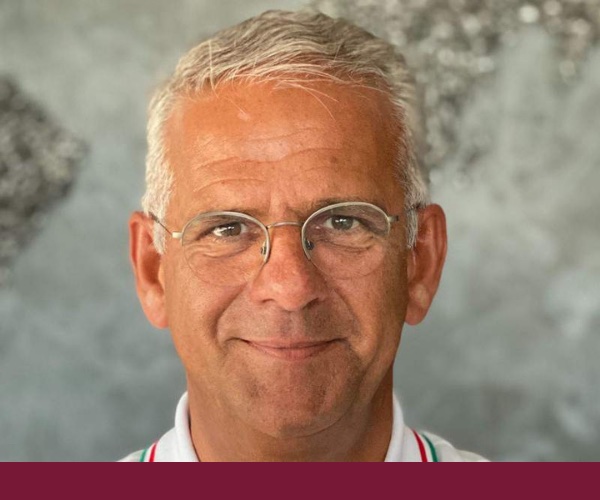
Client: Peter Witke was head of international sales at a medical supply company in northern Europe. He was responsible for international expansion efforts through a global network of distributors and direct export customers.
Industry: Medical Devices
Function: Sales & Marketing
Challenge: After nine years at the company, Peter disagreed with the new management and found himself without a job. Having spent nearly two decades in the medical devices industry, he decided it was time for a new start.
Process: Peter found the Career Plan segment to be an "eyeopener" about himself. Equipped with a powerful new resume, Peter's job search led him to engage with several opportunities in the hidden job market.
Landing: Peter landed a position as chief commercial officer (CCO) for a German-based medical devices company, where he now directs sales, marketing, and customer service operations.
Nine years ago Peter Witke left his post as vice president of international marketing and sales at a global wound care company in Germany to become senior vice president of international sales for a leading manufacturer of respiratory diagnostics products in northern Europe. As Peter describes it, the Scandinavian opportunity presented a new challenge and a chance for him to grow.
For many years Peter's new job proved to be the fruitful challenge he anticipated. Eventually he was promoted to the role of Chief Commercial Officer, in which position he controlled all areas of global business development, marketing, sales, and customer service. But after about nine years at the company, disagreements with a new management team left Peter feeling out of place.
"I'm a professional, and management knows what's best for the company," said Peter. "But every professional has his or her own beliefs and working style, and my working style was no longer compatible with that of the company. I had to search for something new."
As Peter pondered his options, he happened to read a featured article by The Career Doctor's CEO on LinkedIn. The questions the article raised resonated with Peter's situation at the time.
"Maybe I'm not the target audience for this kind of help, but it got me thinking," said Peter. "I've been working for almost 30 years in very specialized segments, which limits your opportunities. Why not get a little help, professional help, to find out whether the direction I've been going in is still the right one?"
"Most important is the Career Plan because it helps you understand yourself. It says, 'Peter Witke, these are your areas of competence and these are areas of development. Keep doing this to succeed, but also try to improve in these areas.'"
Peter quickly enrolled and began The Career Doctor program. He found the Career Plan portion, in which clients undergo a battery of assessment exercises to identify their personality type, strengths and weaknesses, and ideal career direction, to be an "eyeopener."
"Most important is the Career Plan because it helps you understand yourself. It says, 'Peter Witke, these are your areas of competence and these are areas of development. Keep doing this to succeed, but also try to improve in these areas,'" said Peter. "For example, my DISC profile explains why I don't always get along with certain individuals. Or why when I apply for a management position, my personality profile enables me to influence and inspire others."
"In just the first week or two I learned more about myself than I had learned in years."
With more knowledge about his strengths and the areas that fit his personality, Peter then got to work writing a new resume that better showcased his abilities and accomplishments. The key, he said, was learning how to demonstrate his value using quantifiable data, in a format the company could absorb in a matter of seconds.
"Every candidate has three seconds for a recruiter or HR department to scan your CV and create an impact. If they have 100 CVs, each one gets only three seconds, and you need to create an impact in those first three seconds. So you have to distinguish yourself from the crowd, and that is by making your resume a personal marketing tool," said Peter.
Having gone through much of his program and armed with his new resume, Peter began reaching out to interesting job targets. In his search, he identified several opportunities in what The Career Doctor refers to as the "unpublished market" – the 75% of available jobs that are never formally posted. Working with his Career Doctor consultants, Peter crafted targeted mailings to several of these companies.
"My advice: go into this with 100% commitment; otherwise don't do it."
"Often through LinkedIn or a web search I could identify the management person in the organization that would be the person to hire me. My consultants and I drafted a letter to offer myself for any possible need they might have for someone with my background. That produced a response rate above 30%!"
Peter was ultimately recruited for a position as chief commercial officer (CCO) for a German-based medical devices company that he had spotted through his research of the unpublished market.
"I reached out to them because the company developed products in my area of expertise. I drafted a cover letter and sent my CV to them, and it turned out they had a need for exactly my profile. Now, as CCO, I run all the commercial operations of the company, both in sales and marketing. Customer service will be added to my responsibilities soon."
For others in his position, Peter has some words of advice to maximize their investment in The Career Doctor's program.
"My advice: go into this with 100% commitment; otherwise don't do it. It's your life, your career, your investment, not TCD's. TCD has a very good product and very good consultants that will help you to do things the right way. They won't judge your past decisions or tell you what to do. They just help you find your own way. But you have to be committed 100%."
Real Stories of Executives Who Secured Their Ideal Roles
Chief Commercial Officer
Peter Witke was head of international sales at a medical supply company in northern Europe.
Read more
Segment Director Petfood
Robert Hukshorn was interim general manager for a Dutch innovator of diagnostic and analytical tools for the beauty industry.
Read more
Operational Efficiency Consultant
Agata Lewandowska was head of administration and facility management at the Polish affiliate of a multinational engineering and technology company.
Read more
CCO & CEO
Maciej Kossowski was commercial director for Poland and general manager of franchise operations in the Baltic states for a multinational beverage corporation.
Read more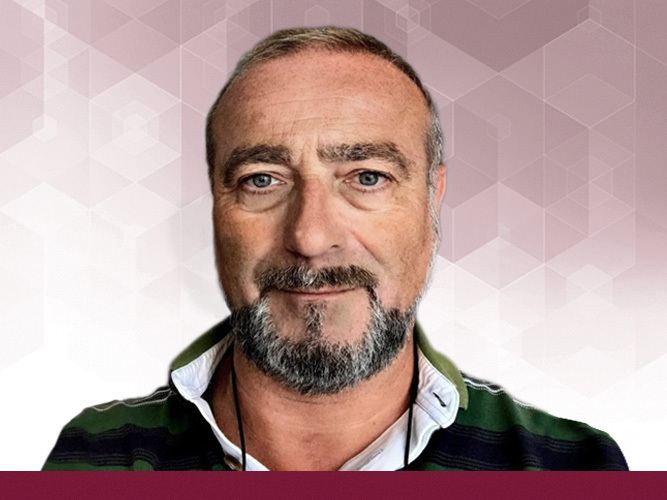
Head of Sales & Business Development
Hugo Vereeken was global OEM segment manager for a large multinational provider of power and industrial automation technologies.
Read more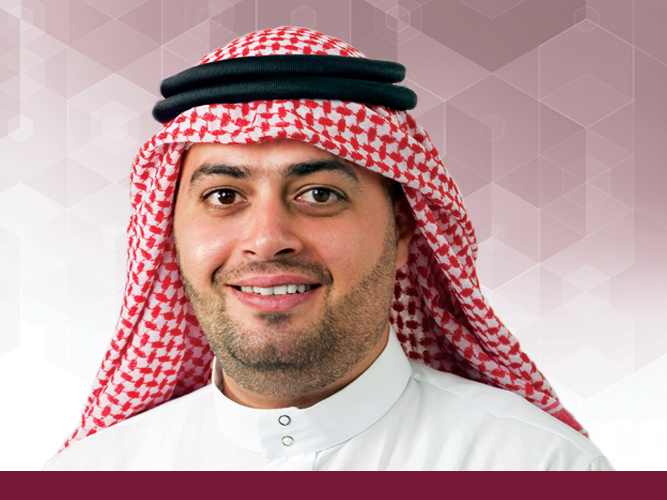
Management
Alhassan was regional manager for Bahrain and the Eastern Province of Saudi Arabia for an Indian multinational hospitality company.
Read more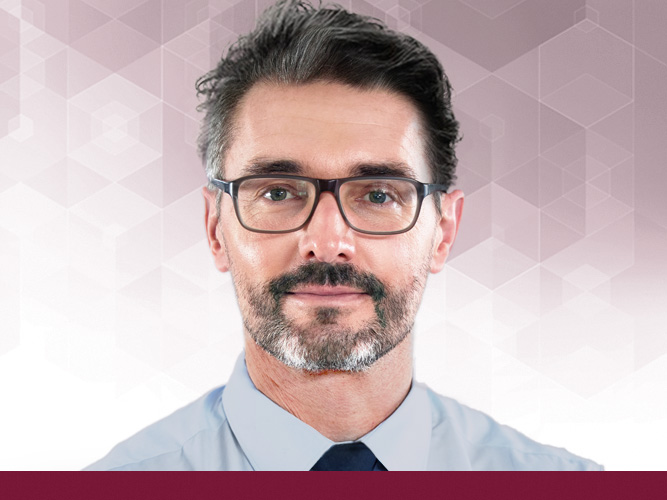
EVP of Supply Chain & Transformation
Matteo was senior director of worldwide supply chain for a leading designer and producer of luxury accessories.
Read more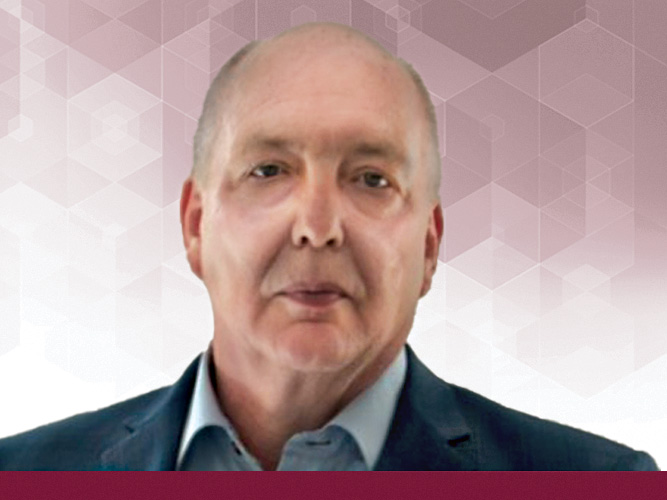
Director of Accounting
Hans Wessel was director of EMEA accounting at an international IT company based in Silicon Valley.
Read moreEach of these stories proves that career transformation is possible at any stage of executive life.
If you're ready to take control of your future, the next success story could be yours.